
Why Commercial Pest Control Services
in Bangalore Must Be Preventive, Not Reactive
A cockroach in the pantry, rodent activity near a storage room or insects around a waste-disposal area may appear to be an isolated problem. In a commercial facility, however, a visible pest is often only the first indication of a larger operational gap.
Many businesses contact a pest-control provider only after employees complain or an infestation becomes visible. The premises is sprayed, the visible activity reduces and the matter is considered closed.
A few weeks later, the problem returns.
This happens because effective pest management is not a one-time spraying activity. It requires inspection, identification, sanitation, exclusion, treatment, documentation and continuous monitoring.
Businesses looking for pest control services in Bangalore should therefore choose a preventive pest-management programme rather than depending only on emergency treatment.
Why Commercial Premises Need a Different Approach
A professional provider should not quote a price after asking only for the size of the building and the number of employees.
A commercial property has more pest-entry points and risk zones than an average home.
These may include:
- Loading and unloading areas
- Basements and parking zones
- Pantry and cafeteria areas
- Dry and wet waste rooms
- Drainage points
- Utility ducts
- False ceilings
- Loading and unloading areas
- Basements and parking zones
- Pantry and cafeteria areas
- Dry and wet waste rooms
- Drainage points
- Utility ducts
- False ceilings
- Storage rooms
- Server and electrical rooms
- Landscaped areas
- Restrooms
- Frequently opened entrances
- Packaging and delivery areas
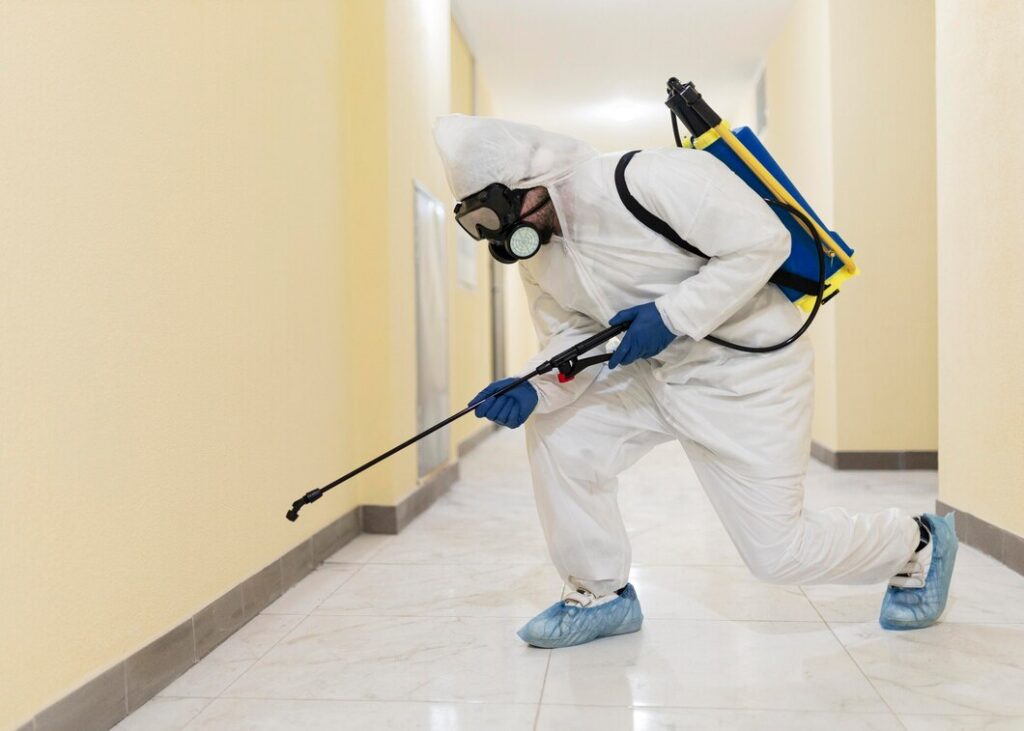
- Loading and unloading areas
- Basements and parking zones
- Pantry and cafeteria areas
- Dry and wet waste rooms
- Drainage points
- Utility ducts
- False ceilings
- Storage rooms
- Server and electrical rooms
- Landscaped areas
- Restrooms
- Frequently opened entrances
- Packaging and delivery areas
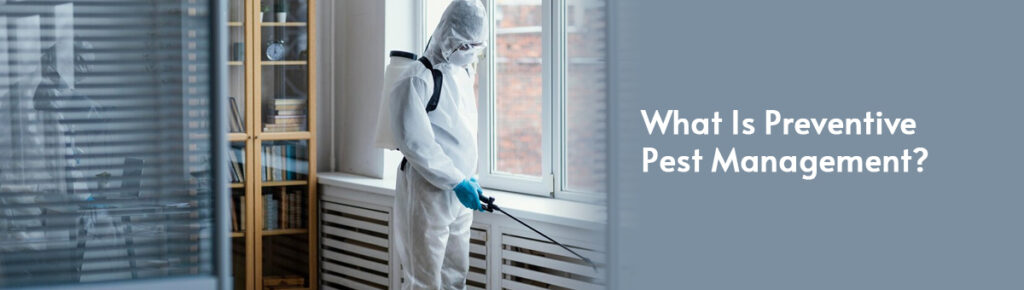
Preventive pest management focuses on controlling the conditions that allow pests to enter, survive and multiply. It normally involves six connected stages.
Site Inspection
The pest-control team examines the premises to identify:
- Pest activity
- Entry points
- Nesting or breeding areas
- Food and water sources
- Waste-management gaps
- Drainage issues
- Structural cracks
- High-risk locations
Pest Identification
Different pests require different control methods.
A treatment plan for cockroaches cannot simply be applied to termites, rodents, mosquitoes, flies or bedbugs. Correct identification determines the product, equipment, frequency and safety precautions required.
Exclusion and Proofing
This may involve recommending corrective measures such as:
- Sealing cracks and openings
- Installing drain covers
- Closing pipe-entry gaps
- Improving door seals
- Protecting ventilation openings
- Correcting waste-room access
- Removing unused materials
Targeted Treatment
Depending on the requirement, the programme may include:
- Gel treatment
- Baiting
- Trapping
- Residual treatment
- Larvae control
- Rodent stations
- Termite treatment
- Fly-control systems
- Mosquito management
- Fumigation where appropriate
- Bird-control measures
Monitoring and Documentation
A professional programme records:
- Date of service
- Area treated
- Pest activity observed
- Product or method used
- Corrective action recommended
- Monitoring-station status
- Follow-up date
- Client acknowledgement
Periodic Review
The pest-control plan must be reviewed when:
- The layout changes
- A new pantry or cafeteria opens
- Waste volumes increase
- Construction is undertaken nearby
- New storage areas are created
- Seasonal activity increases
A recurring infestation is observed
The Business Cost of Reactive Pest Control
Waiting for an infestation can create several avoidable costs.
Employee Complaints
Employees expect clean and hygienic workplaces. Repeated pest sightings can reduce confidence in the workplace environment and generate frequent complaints.
Reputation Risk
A pest sighting in a customer-facing area, cafeteria, hospital, retail outlet or hospitality facility can affect the organisation’s reputation.
Inventory and Property Damage
Rodents and termites can damage packaging, stored material, cables, wooden fixtures and other assets.
Operational Disruption
Emergency treatments may require areas to be temporarily closed or work schedules to be changed.
Repeat Expenditure
One-time treatments may appear inexpensive but can become costly when the infestation repeatedly returns.